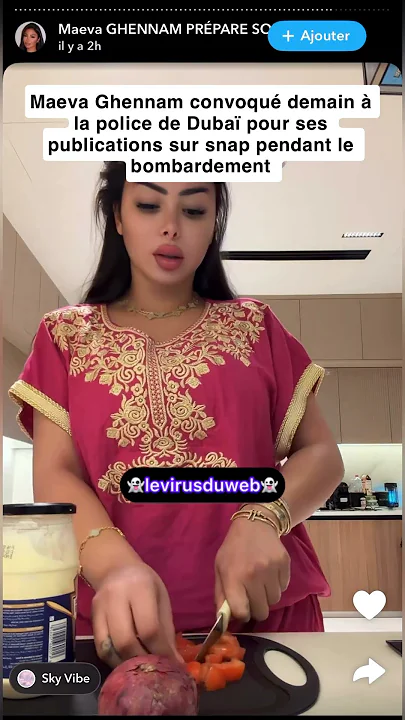
Maeva Ghennam Summoned by Dubai Police: A Wake-Up Call for Digital Influencers
The glittering skyline of Dubai has long been a magnet for international celebrities and social media influencers, drawn by its luxurious lifestyle, business opportunities, and tax-free allure. However, this vibrant hub also operates under a unique legal framework, particularly when it comes to public conduct and digital expression. This reality recently came into sharp focus with the news that French reality TV star and prominent influencer, Maeva Ghennam, was summoned by the Dubai Police in connection with her Snapchat posts. The incident has sent ripples through the expat influencer community, serving as a potent reminder that even digital fame does not exempt individuals from adhering to local laws and cultural sensitivities in the United Arab Emirates.
The summon of Maeva Ghennam in Dubai underscores a growing trend of authorities holding online personalities accountable for their content. For those familiar with Dubai's strict regulations, this development, while significant, isn't entirely unexpected. It highlights the critical importance of understanding and respecting the legal landscape, especially when one's digital footprint extends across international borders and diverse cultural norms. The situation surrounding Maeva Ghennam's police summons has become a significant talking point, prompting discussions about responsibility, cultural awareness, and the boundaries of online freedom for influencers operating within the UAE.
The Incident Unfolds: What Led to the Summons?
While specific details regarding the exact nature of the Snapchat posts that prompted the police action against Maeva Ghennam in Dubai remain officially undisclosed, such summons typically arise from a range of potential violations. Dubai, like the wider UAE, has robust laws governing cybercrime, public morality, and consumer protection. Influencers, by virtue of their public platform and direct engagement with millions, are under particular scrutiny.
Common reasons for influencers facing legal issues related to their online content in Dubai include:
- Public Indecency and Morality: Content deemed offensive, vulgar, or contrary to Islamic values and public morals. This can range from explicit language to revealing attire or suggestive behavior captured in public or shared online.
- Defamation and Slander: Making derogatory remarks, spreading false information, or publicly shaming individuals or entities.
- Misleading Advertising and Consumer Protection: Promoting products or services without proper disclosure of sponsored content, making false claims, or failing to adhere to advertising standards set by the National Media Council (NMC). Influencers are required to obtain licenses and adhere to strict guidelines when conducting commercial activities online.
- Disrespect for Culture and Religion: Any content that could be interpreted as disrespectful to Emirati culture, Islamic traditions, or national symbols.
- Privacy Violations: Sharing personal information or images of others without their consent.
- Controversial Political or Social Commentary: Engaging in discussions or sharing opinions on sensitive political or social issues that might contravene UAE laws on public order or national security.
Maeva Ghennam, known for her candid and often provocative style on platforms like Snapchat, might have inadvertently crossed one of these lines. The incident serves as a stark reminder that what might be acceptable in a European context can be severely frowned upon, or even illegal, in the Middle East. The power of social media to disseminate information globally means that content created in one jurisdiction can have unforeseen legal consequences in another, especially if the creator resides there.
Dubai's Strict Stance on Digital Conduct
Dubai's approach to digital conduct is rooted in its commitment to maintaining public order, cultural integrity, and a safe online environment. The UAE Cybercrime Law (Federal Decree-Law No. 34 of 2021) is particularly comprehensive and applies to everyone within its borders, including tourists and residents. This law targets a wide array of online offenses, from fraud and hacking to content deemed offensive or harmful.
The government actively monitors social media. Citizens and residents are also encouraged to report content they deem inappropriate or illegal. This proactive stance means that influencers cannot operate with the same degree of unchecked freedom they might experience in other parts of the world. The glamorous life portrayed online must always align with the legal and ethical standards expected in the UAE. Authorities have demonstrated repeatedly that they are prepared to take action against individuals, regardless of their celebrity status, if these standards are violated.
For influencers, this means:
- Awareness is Key: Ignorance of the law is not an excuse. Influencers must actively educate themselves on UAE laws concerning social media, advertising, and public conduct.
- Cultural Sensitivity: Respecting local traditions, attire, language, and religious values is paramount. What might be considered edgy or humorous elsewhere could be deeply offensive in Dubai.
- Professionalism in Business: Adhering to advertising regulations, including clear disclosure of sponsored content and truthfulness in endorsements, is non-negotiable.
The summon of Maeva Ghennam, a high-profile case, will likely be used as an example to reinforce these expectations across the influencer community. It is a clear signal that the authorities are serious about enforcing their digital laws.
The Wider Repercussions for Influencers in Dubai
The Maeva Ghennam incident is more than just an individual's legal challenge; it carries broader implications for the entire ecosystem of expat influencers residing in Dubai. Such high-profile cases often trigger heightened scrutiny from authorities and a general sense of caution among the influencer community. It reinforces the idea that Dubai, while welcoming to international talent, expects strict adherence to its rules.
Many influencers have built their brands and fortunes in Dubai, leveraging its photogenic backdrop and luxurious image. However, this incident serves as a stark reminder that this privilege comes with significant responsibilities. The fear of deportation, fines, or even imprisonment is a potent deterrent, prompting many to re-evaluate their content strategies and public personas. This situation, along with similar past incidents, contributes to Dubai Influencer Trouble: Maeva Ghennam's Social Media Scrutiny and highlights an ongoing challenge for those who live and work online in the UAE.
Bassem's Reaction and Public Opinion
In the wake of Maeva Ghennam's summon, other influencers and public figures have naturally weighed in. The context mentions that Bassem reacted to the story, which is typical in the tightly-knit and often competitive influencer world. Public opinion, both within Dubai and globally, often splits along lines of support, criticism, or cautionary tales. Some might empathize with the pressure influencers face to constantly create engaging content, while others might view it as a justified consequence of irresponsible behavior. These reactions, like Bassem Reacts to Maeva Ghennam's Dubai Police Incident, further amplify the conversation, contributing to a broader understanding of the challenges influencers face in navigating different legal and cultural landscapes.
The collective reaction often serves to further educate and warn aspiring or established influencers about the potential pitfalls, fostering a sense of self-regulation within the community. It also provides valuable insights into how such incidents are perceived by peers and the general public, adding another layer of pressure on influencers to maintain a positive and compliant online presence.
Navigating the Digital Landscape: Tips for Influencers in the UAE
For influencers considering a move to Dubai, or those already operating there, the Maeva Ghennam Dubai incident offers invaluable lessons. Navigating the digital landscape in the UAE requires diligence, foresight, and a genuine respect for local customs and laws. Here are some practical tips:
- Thoroughly Research Local Laws: Before posting, always consider the legal implications within the UAE. Familiarize yourself with the Cybercrime Law, media regulations, and public decency codes. If unsure, seek legal counsel.
- Prioritize Cultural Sensitivity: Understand and respect Emirati culture, religion, and traditions. Avoid content that could be perceived as offensive, disrespectful, or provocative. This includes attire, language, gestures, and topics of discussion.
- Transparency in Advertising: Always disclose sponsored content clearly and adhere to all advertising guidelines set by the NMC. Misleading or undeclared advertisements can lead to severe penalties. Obtain the necessary influencer license.
- Be Mindful of Privacy: Do not photograph or video individuals in public without their explicit consent, especially if they are identifiable. Avoid sharing private information about others.
- Maintain Professionalism: Even in personal vlogs or stories, remember that you are a public figure. Maintain a level of professionalism that aligns with the UAE's expectations of public conduct.
- Moderate Comments and Interactions: While direct responsibility lies with your own content, foster a positive and compliant environment in your comment sections. Remove hateful, defamatory, or inappropriate comments.
- Seek Professional Guidance: For significant campaigns or if you have any doubts, consult with local legal experts or PR firms that specialize in influencer marketing in the UAE. Investing in legal advice upfront can prevent costly issues down the line.
- Have a Crisis Management Plan: Understand how you would respond if you faced legal scrutiny. Knowing the steps to take can mitigate damage to your reputation and legal standing.
The Dubai police summons for Maeva Ghennam is a powerful illustration that the digital world, despite its borderless nature, is still governed by local laws. For influencers seeking to thrive in Dubai, success isn't just about follower counts or engagement rates; it's also about informed compliance and cultural respect.
The situation involving Maeva Ghennam and the Dubai Police serves as a crucial case study for the burgeoning global influencer industry. It unequivocally demonstrates that social media personalities, particularly those based in jurisdictions with strict legal frameworks like Dubai, must exercise extreme caution and cultural sensitivity in their online activities. The allure of Dubai's lifestyle and opportunities should always be balanced with a profound understanding and adherence to its laws and societal norms. For Maeva Ghennam, the outcome of this summons will undoubtedly shape her future in the UAE and serve as a lasting lesson. For the broader influencer community, it is a clear call to action: operate responsibly, respect local customs, and understand that digital freedom has boundaries in the real world.