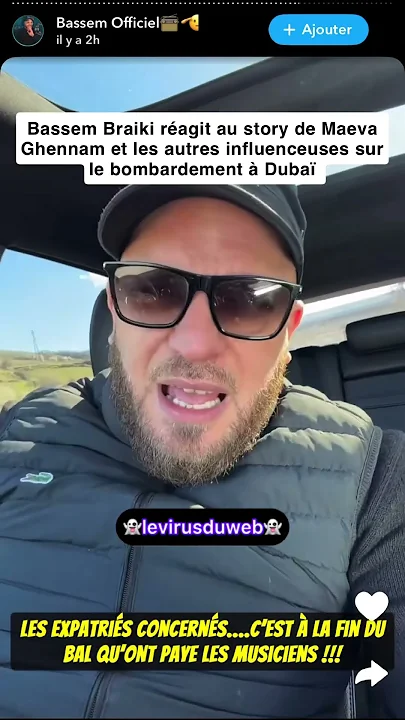
Bassem Reacts to the Maeva Ghennam Dubai Police Incident: A Turning Point for Influencer Accountability
The digital landscape is a vibrant, ever-evolving space where personalities rise to fame, shape trends, and connect with millions. However, with great influence comes significant responsibility, a lesson that has been brought sharply into focus by recent events in Dubai involving French reality TV star and social media sensation, Maeva Ghennam. Her reported summons by the Dubai police concerning her online publications sent ripples through the influencer community, prompting widespread discussion and drawing a notable reaction from fellow digital figure, Bassem. This incident, centered around the actions of
Maeva Ghennam in Dubai, underscores the critical need for content creators to understand and adhere to local laws and cultural norms, especially when operating in a jurisdiction known for its strict regulations.
The news of Ghennam's police summons quickly spread, highlighting the often-unseen legal ramifications of online content. Bassem, known for his direct commentary on social media trends and influencer culture, wasted no time in weighing in. His reaction, which resonated with many, served as a powerful reminder that the glittering lifestyle often portrayed online comes with a distinct set of legal and ethical obligations. This article delves into the specifics of the incident, Bassem’s critical perspective, and the broader implications for influencers navigating the complex legal landscape of the UAE.
The Summons: What Led to Maeva Ghennam's Encounter with Dubai Authorities?
The heart of the controversy lies in Maeva Ghennam's "publications sur Snap" – her content shared on Snapchat. While the exact nature of the content that triggered the summons has not been publicly detailed, it's widely understood that authorities in the United Arab Emirates (UAE) maintain a close watch on digital content, particularly that of public figures. Dubai's robust legal framework, including its cybercrime laws, is designed to uphold societal values, protect privacy, and ensure public order. This means that content creators, whether residents or visitors, must exercise extreme caution.
Common issues that can lead to legal trouble for influencers in the UAE include:
- Cultural Insensitivity: Content that disrespects local customs, traditions, or religious beliefs.
- Defamation or Slander: Publishing false or harmful statements about individuals or entities.
- Public Indecency: Displaying inappropriate behavior or attire that violates public morality standards.
- False Advertising or Misleading Content: Promoting products or services with unsubstantiated claims or without proper disclosure.
- Promoting Illegal Activities: Any content related to drugs, alcohol (outside licensed venues), or other prohibited acts.
- Breach of Privacy: Sharing personal information or images of others without consent.
It's highly probable that Ghennam's content, intended for a broad and often international audience, may have inadvertently or otherwise fallen afoul of one or more of these regulations. For a deeper dive into the initial reports surrounding this event, you can read more about
Maeva Ghennam Summoned by Dubai Police for Snapchat Posts. This incident serves as a stark reminder that what might be acceptable in one country's digital space could be legally problematic in another.
Bassem Weighs In: A Critical Call for Accountability
Bassem’s reaction to Maeva Ghennam's situation was not one of surprise but rather a reiteration of a long-standing concern within the influencer sphere: the lack of accountability. His commentary likely highlighted the growing disconnect between the perceived freedom of online expression and the very real legal consequences that can arise from it, particularly in regions with strict digital laws. Bassem's perspective often champions responsible influencing, transparency, and a deeper understanding of the platforms and regions influencers operate within.
His reaction can be seen as a microcosm of a larger debate:
- The Professionalization of Influencing: Is influencing a legitimate profession that demands professional conduct and legal diligence, or simply a free-for-all?
- Educating Influencers: Are platforms and agencies doing enough to educate creators about international legal standards?
- The Price of Fame: Does the pursuit of viral content sometimes overshadow ethical considerations and legal boundaries?
Bassem’s vocal stance likely underscored that ignorance of the law is no excuse, and that influencers, by virtue of their public platform and commercial activities, bear a significant responsibility to their audience, their brands, and the jurisdictions in which they operate. His commentary undoubtedly resonated with those who advocate for a more ethical and legally compliant influencer industry, emphasizing that the "Wild West" days of social media are rapidly drawing to a close, especially in places like Dubai.
Navigating Dubai's Strict Social Media Landscape: A Guide for Digital Creators
Dubai and the wider UAE have established a clear and comprehensive legal framework for digital content, a framework that all influencers must respect. This isn't merely about cultural sensitivity; it's about statutory compliance. The UAE's Cybercrime Law (Federal Decree-Law No. 34 of 2021) is particularly stringent, imposing severe penalties for offenses ranging from defamation to spreading rumors, and even for content deemed offensive to public morals or religious beliefs.
Key considerations for influencers operating in Dubai:
- Licensing Requirements: Influencers who earn income from their content in the UAE are legally required to obtain an e-media license from the National Media Council (NMC). This professionalizes the activity and ensures a degree of oversight.
- Content Guidelines: Content must be respectful of UAE culture, religion, and national identity. It must also be free from false or misleading information, hate speech, and any content promoting illegal activities.
- Transparency in Advertising: Sponsored content must be clearly disclosed. Influencers must use appropriate hashtags like #ad, #sponsored, or #paidpromotion.
- Privacy and Consent: Individuals' privacy must be respected. Sharing photos or videos of others without explicit consent can lead to legal action.
The incident involving
Maeva Ghennam in Dubai serves as a potent case study. It highlights that the Dubai authorities are proactive in enforcing these laws, sending a clear message that no individual, regardless of their fame, is above the law. This constant scrutiny and the strict adherence to legal and cultural norms are what set Dubai apart and what digital creators must understand before establishing a presence there. For more general insights into the challenges influencers face in the region, refer to
Dubai Influencer Trouble: Maeva Ghennam's Social Media Scrutiny.
Practical Takeaways for Digital Creators in the UAE
For aspiring and established influencers looking to thrive in Dubai's dynamic environment, proactive compliance is not just advisable, it's essential. Here are some actionable tips to avoid similar predicaments:
- Do Your Homework: Before posting, especially controversial topics or anything that might be culturally ambiguous, research local laws and norms thoroughly.
- Get Licensed: If you are generating income through your social media presence in the UAE, ensure you obtain the necessary e-media license.
- Err on the Side of Caution: When in doubt, don't post. It's always better to be safe than sorry, particularly in a jurisdiction with strict cybercrime laws.
- Be Mindful of Language: Even seemingly innocuous phrases or gestures can carry different meanings in different cultures. Avoid slang or expressions that could be misconstrued as offensive.
- Consult Experts: If you're running a business or have a significant presence, consider consulting legal professionals specializing in UAE media law.
- Engage Respectfully: Foster a community that promotes positive and respectful interactions. Avoid engaging in online feuds or creating content that encourages negativity.
- Transparency is Key: Always disclose sponsored content clearly and avoid making exaggerated or false claims about products or services.
By adopting a professional and informed approach, influencers can not only protect themselves from legal issues but also build more credible and sustainable brands.
The Future of Influencing: Accountability and Ethics in the Digital Age
The incident involving Maeva Ghennam and Bassem’s subsequent reaction marks a significant moment in the ongoing evolution of influencer culture. It underscores a global trend towards greater accountability for digital content creators. As social media platforms become increasingly intertwined with commercial activity and public discourse, the demand for ethical conduct and legal compliance will only intensify.
The days of unfiltered, consequence-free online expression, if they ever truly existed, are certainly drawing to a close, particularly in highly regulated environments like Dubai. Influencers are no longer just entertainers; they are media entities with significant reach and, therefore, significant responsibility. This shift requires a more mature and professional approach to content creation, one that prioritizes legal compliance, cultural sensitivity, and ethical considerations. The industry, from creators to brands to platforms, must collectively invest in education and best practices to navigate this complex terrain successfully.
The episode with
Maeva Ghennam in Dubai serves as a potent wake-up call, emphasizing that the virtual world has very real consequences in the physical world. It prompts a necessary introspection within the influencer community about the balance between creative freedom and societal responsibility, ensuring that the future of influencing is built on a foundation of integrity and legal compliance.