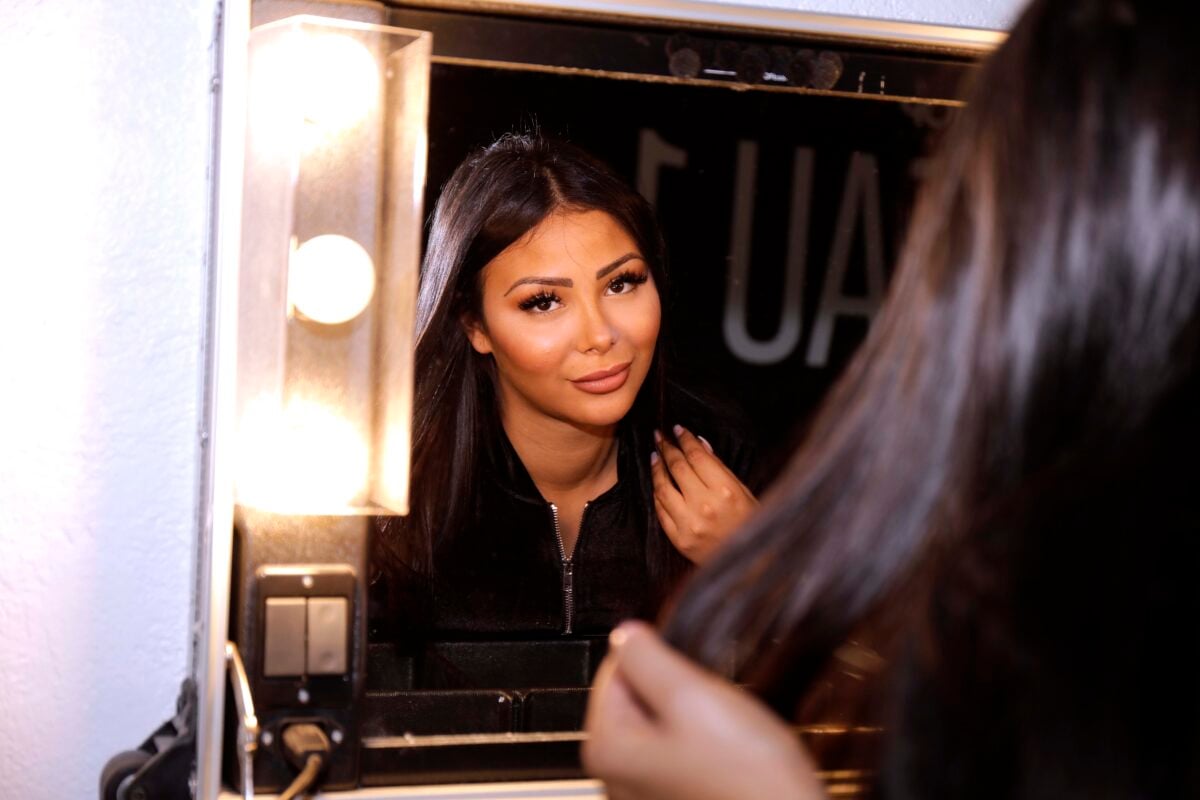
Dubai Influencer Trouble: Maeva Ghennam's Social Media Scrutiny
In the vibrant, ever-expanding world of social media, few cities have captivated the attention of influencers quite like Dubai. A haven for luxury, aspirational lifestyles, and seemingly endless opportunities, the emirate has become a magnet for digital content creators from across the globe, including a significant contingent of French personalities. Among them is Maeva Ghennam, a name synonymous with reality TV and a formidable online presence. However, the glittering facade of Dubai influencer life recently took a serious turn for Ghennam, shining a harsh spotlight on the critical intersection of digital freedom, personal branding, and the strict legal framework of the United Arab Emirates.
The incident involving Maeva Ghennam's summons by Dubai police for her social media publications sent ripples through the influencer community, serving as a stark reminder that the digital wild west has definitive boundaries in certain jurisdictions. It underscored the inherent responsibilities that come with a public platform, particularly when operating within a country known for its stringent laws regarding public conduct and digital content. This article delves into the specifics of Maeva Ghennam's predicament, explores Dubai's unique regulatory environment for influencers, and offers crucial insights for anyone navigating the complex landscape of digital influence in the UAE.
The Incident: Maeva Ghennam's Police Summons in Dubai
The news broke through short video snippets and social media chatter: Maeva Ghennam, the prolific French reality TV star turned influencer, was summoned by Dubai police. The reason cited? Her "publications on Snap" – referring to content shared on Snapchat, a platform where Ghennam is known for her candid and often unscripted updates. While the exact nature of the offending posts was not publicly detailed, such a summons in Dubai is rarely trivial. The UAE maintains strict laws regarding online content, encompassing everything from defamation and privacy violations to public indecency and disrespect for cultural or religious values. For a high-profile figure like Maeva Ghennam, whose entire persona revolves around sharing her daily life, this incident immediately escalated into a significant cautionary tale.
The implications of a police summons in Dubai are considerable. The UAE Cybercrime Law is comprehensive and rigorously enforced, with penalties ranging from hefty fines to imprisonment and even deportation for serious offenses. For influencers like Maeva Ghennam, who have built their entire careers and livelihoods in Dubai, such legal scrutiny can jeopardize not only their freedom but also their ability to reside and work in the country. The incident highlighted the stark contrast between the often-perceived boundless freedom of social media and the very real, often conservative, legal boundaries that govern digital expression in the UAE. It forced many to reconsider the ease with which content is created and shared, especially when operating within a jurisdiction that prioritizes cultural norms and public decorum.
Dubai's Digital Landscape and Influencer Regulations
Dubai's appeal to influencers is multi-faceted. Its glamorous image, tax-friendly environment, and strategic location have attracted thousands of content creators seeking to elevate their brands and enjoy a luxurious lifestyle. However, this influencer paradise operates under a stringent regulatory framework designed to maintain social order and uphold cultural values. Understanding this environment is paramount for any content creator, including Maeva Ghennam in Dubai.
The UAE's legal system is based on Sharia law, influencing various aspects of public life, including digital conduct. Key regulations impacting influencers include:
- The UAE Cybercrime Law (Federal Decree-Law No. 34 of 2021): This comprehensive law covers a wide range of offenses related to information technology, including publishing content that offends public morals, incites hatred, damages reputations, or violates privacy. Fines can run into hundreds of thousands of dirhams, and jail terms are common for serious breaches.
- National Media Council (NMC) Regulations: The NMC, now part of the UAE Media Regulatory Office, requires all paid commercial content creators (influencers) to obtain a valid license. This licensing ensures accountability and adherence to ethical guidelines, including transparency about sponsored content and respect for cultural norms.
- Public Decency and Morality: Content creators must always be mindful of public decency laws, which extend to online behavior. This includes avoiding content that is sexually suggestive, promotes illicit substances, or disrespects religious symbols or practices.
- Defamation and Privacy: Spreading false information, making defamatory statements, or violating an individual's privacy (e.g., filming someone without consent) are serious offenses with severe penalties.
For influencers, these regulations mean that the "anything goes" mentality often associated with social media simply does not apply in Dubai. The city expects content that aligns with its cultural values and legal requirements, making it crucial for influencers to perform due diligence and adapt their content strategies accordingly.
The Ripple Effect: Bassem's Reaction and Public Scrutiny
The incident with Maeva Ghennam quickly transcended her personal legal troubles, sparking wider conversations and reactions across the digital sphere. Among those who weighed in was Bassem, a figure whose public commentary often resonates within the French-speaking influencer community. Bassem's reaction to Maeva Ghennam's Dubai police incident underscored the growing scrutiny faced by influencers, particularly those who have relocated to Dubai.
Public figures like Bassem often serve as barometers for public sentiment. Their reactions can amplify the discourse around influencer accountability, highlighting the responsibilities that come with wielding significant online influence. This public scrutiny often centers on several key themes:
- Authenticity vs. Responsibility: The perpetual tension between maintaining an "authentic" online persona and adhering to legal and cultural norms.
- The "Dubai Influencer Bubble": A perception that some influencers in Dubai become detached from real-world consequences or local regulations due to their lavish lifestyles.
- Fairness of the Law: Debates over whether regulations are applied equally to all, or if high-profile individuals receive preferential or harsher treatment.
- The Role of Public Commentary: How other influencers or commentators shape public opinion and contribute to the narrative surrounding such incidents.
The scrutiny intensified not just on Maeva Ghennam but on the entire phenomenon of influencers in Dubai. It prompted many to question whether content creators truly understand the legal environment they operate within, or if the allure of the emirate overshadows the necessity of diligent compliance. Such incidents serve as a harsh reality check, reminding both influencers and their followers that the digital realm is not above the law, and that actions online can have profound real-world consequences.
Lessons for Influencers: Navigating the Digital Minefield in Dubai
Maeva Ghennam's situation serves as a powerful case study for all influencers, particularly those considering or already based in Dubai. The glamour of the city should not overshadow the absolute necessity of understanding and respecting its laws. Navigating the digital minefield requires a proactive and informed approach. Here are crucial tips and actionable advice for content creators:
1. Understand Local Laws Thoroughly
- Deep Dive into the Cybercrime Law: Familiarize yourself with the specifics of the UAE Cybercrime Law. Pay particular attention to sections regarding defamation, privacy violations, public morality, and the dissemination of rumors or false information. Ignorance of the law is not an excuse.
- NMC/Media Regulatory Office Licensing: If you are generating income from your social media content, ensure you have the appropriate licenses from the Media Regulatory Office. Operating without one can lead to significant fines.
- Cultural Sensitivity: Research and understand Emirati culture, traditions, and religious values. Content that might be acceptable elsewhere could be deeply offensive in the UAE. This includes dress codes, public displays of affection, and content related to religion, politics, or local leadership.
2. Content Strategy and Review
- Pre-Publication Review: Develop a robust content review process. Before posting, especially on ephemeral platforms like Snapchat or Instagram Stories, consider if the content could be misinterpreted, violate privacy, or offend local sensibilities.
- Transparency in Advertising: Always clearly disclose sponsored content or paid partnerships as per NMC regulations. Use hashtags like #ad or #sponsored.
- Avoid Controversial Topics: Steer clear of sensitive subjects such as politics, criticism of the government, religion, or any content that promotes hate speech or discrimination.
3. Protect Privacy and Reputation
- Consent is Key: Never film or photograph individuals without their explicit consent, especially if they are identifiable. Posting such content without permission can lead to privacy violation charges.
- Fact-Check Before Sharing: Avoid spreading rumors or unverified information. The UAE has strict laws against disseminating false news.
- Personal Conduct: Remember that your online persona is an extension of your public self. Conduct that might be deemed inappropriate offline will also be scrutinized online.
4. Seek Professional Advice
- Legal Counsel: If you are unsure about the legality of certain content or find yourself in a difficult situation, immediately seek advice from a local legal expert specializing in media and cybercrime law.
- Cultural Advisors: Consider engaging with cultural advisors who can provide insights into local norms and help review content for appropriateness.
The stakes for influencers like Maeva Ghennam in Dubai are incredibly high. A misstep can lead to severe legal penalties, damage to one's brand, and even expulsion from the country. By prioritizing legal compliance and cultural understanding, influencers can mitigate risks and ensure their digital journey in Dubai remains successful and harmonious.
Conclusion
Maeva Ghennam's summons by Dubai police is a profound illustration of the challenges and responsibilities facing modern influencers. It serves as a potent reminder that the digital world, while offering unprecedented reach, operates within the tangible boundaries of local laws and cultural sensitivities. For those drawn to the allure of Dubai, this incident underscores the imperative of informed compliance. Success in this dynamic city for content creators hinges not just on engaging content and a captivating personality, but crucially, on a deep respect for the legal framework and societal norms of the UAE. As the digital landscape continues to evolve, the demand for accountability from influencers will only grow, making the lessons learned from Maeva Ghennam's experience invaluable for the entire global influencer community.